Dream Work

At the heart of my work is personal growth through relationship with the inner self and the unconscious mind. The unconscious speaks to us in images—through art, music, poetry, nature, meditation, tarot, and creative expression. Of these, dreams are the most direct.

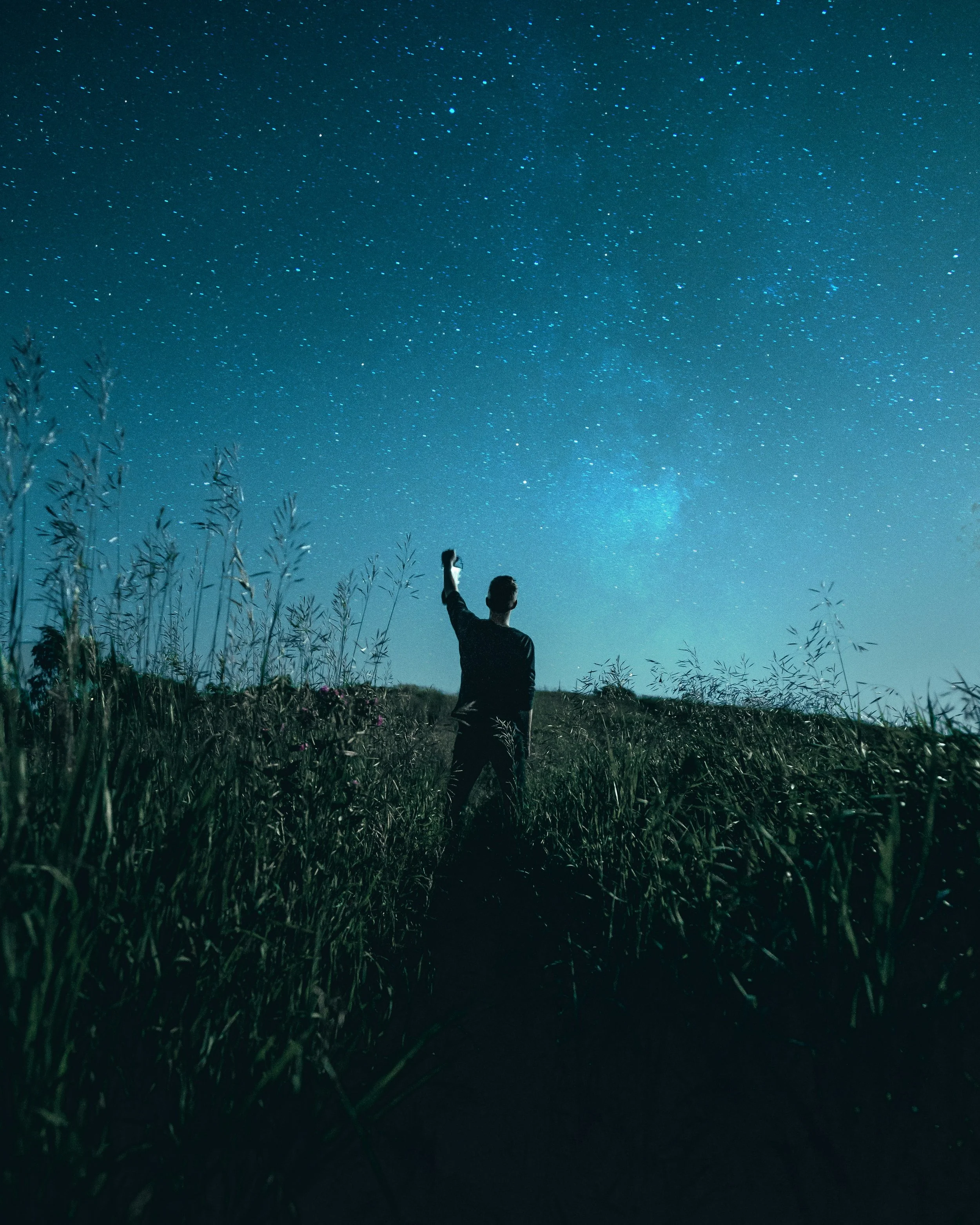
Freud called dreams “the royal road to the unconscious.” Jung said that “The dream is a little hidden door in the innermost and most secret recesses of the soul.”1  When I am looking for what a dream means, it is like turning on a flashlight in a darkened room. Hidden feelings, unconscious attitudes, and unseen influences gradually come into view. As awareness deepens, we come into a closer relationship with ourselves—and that inner understanding naturally extends outward, shaping how we live and relate to others.

Josh Hild on Unsplash.jpg

What to Expect in a Dream Work Session

I use a Jungian approach to dream interpretation.  Images do not have fixed universal definitions or meanings.  They carry personal significance shaped by lived experience. What a symbol means for one person may mean something entirely different for another.

At times, a dream image may feel opaque or difficult to imagine. In these moments, I draw upon my Jungian training, years of intuitive development, and careful attention to the dream itself. Rather than offering interpretations, I ask open, reflective questions that help illuminate possible meanings. Our work unfolds slowly, with respect and compassion, until the dreamer arrives at their own moment of recognition.  This “aha” moment—a flash of insight arising from the inner self—often carries a sense of resolution. It holds the tension of opposites and reveals something new that unites them. Such moments expand awareness, deepen consciousness, and support healing, self knowledge and psychological wholeness.

1 Jung, C. G.. The Quotable Jung (p. 68). Princeton University Press. Kindle Edition